

Can you recover from schizophrenia?
Posted: Thursday, October 15th, 2026
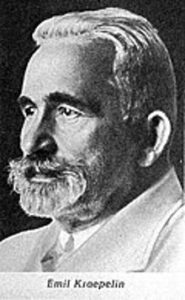
When Emil Kraepelin first described schizophrenia in 1898 he called it “dementia praecox” or premature dementia because he thought that it involved a progressive deterioration of the patient’s functioning over time. This view persisted in medicine generally for many years into the 20th century.
We now know that this is not the case and that the receipt of a diagnosis of schizophrenia is not a life sentence to an existence of low achievement. Many people who have suffered an episode of schizophrenia or even multiple episodes go on to recover a very high level of functioning and often to be able to re-join mainstream society.
For much of the 20th century psychiatrists thought of recovery rates from schizophrenia in terms of what was known as the “rule of thirds”. According to this rule of thumb about one third of those diagnosed with schizophrenia would recover completely, a further third would be improved over time, leaving the remaining third who would not show any improvement.
With improvements in treatment methods and new medicines, this model is now seen to be unrepresentative and doctors tend to use another rule of thumb which they call the “rule of quarters” and which suggests the outcomes after 10 years from diagnosis.
This rule suggests that about 25% of people with schizophrenia will recover completely from the first episode and go on to have no further problems in their life. A further 25% will be substantially improved with treatment and will go on to recover almost all of their former level of functioning with very few relapse events.
Another 25% of people will improve somewhat but will still need considerable levels of support to function normally and to get them through relapse events which will occur at several intervals in their life. This leaves the final 25% for whom the outlook is not so good and who will lead a chronic course with little or no improvement and involving repeated hospital stays over a prolonged part of their adult life.
So, we now know that most people who suffer with schizophrenia will substantially recover and many will be able to rejoin mainstream society after what is usually a very disrupted period in their life.
Image: Unknown author, in the public domain on Wikimedia Commons.
<< Back to blog
Share This