

Antipsychotic medicines: a new dawn in schizophrenia treatment
Posted: Monday, November 23rd, 2026
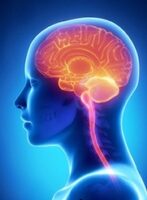
November sees the anniversary of the first trial, in France in 1952, of the new antipsychotic medicines that were eventually to become the mainstay of modern treatment for schizophrenia around the globe.
In the middle of the 20th century scientists developing new types of antihistamine medicines found that the new drugs were also effective in controlling the psychotic symptoms of schizophrenia.
This breakthrough began when, in the early 1950’s, a French naval surgeon called Laborit experimented with a new drug called chlorpromazine to help with post-operative shock in his patients. He noted the effect the drug had in relaxing his patients and wondered if it could be used beneficially in psychiatry. This was the first of the new drugs that were to become known as the antipsychotics.
Then in 1952 two French psychiatrists, Jean Delay and Paul Deniker tried prescribing chlorpromazine for schizophrenia and found that it had a calming effect on their patients that was significantly different from the effects of the tranquillisers that had been widely used before for this condition. Rather than simply blunting the effect of the hallucinations this new medicine did actually seem to reduce the symptoms altogether.
Chlorpromazine was the first of the new antipsychotic medicines (the typicals) which were able to relieve the common symptoms of schizophrenia such as delusions and hallucinations: what psychiatrists today call the positive symptoms.
Unfortunately, the news that at last a treatment for schizophrenia was available was not taken up readily by the medical community since so many “cures” had been advocated over the years. However, over time the benefits of chlorpromazine and its successors came to be accepted.
However, there was a snag. Whilst they were good at controlling symptoms, the first generation of antipsychotics such as chlorpromazine, haloperidol and flupenthixol were not without their problems and tended to cause issues with side effects. The early drugs had profound sedating effects and could cause tremors in the arms and legs similar to those caused by Parkinsons disease along with other physical side effects. These effects were known as extra-pyramidal symptoms by psychiatrists. Fortunately, the tremors responded well to some of the anti-Parkinsons medicines available at the time but the sedating effect had no easy remedy and sometimes did lead to a significant reduction in the quality of life for some sufferers.
In the latter part of the 20th century a second generation of antipsychotic medicines called atypicals were developed. These were just as effective at controlling the psychotic symptoms (indeed in some cases better) but they had fewer adverse side effects.
Without a doubt the development of these new antipsychotic medicines that could control the positive symptoms of schizophrenia was one of the major advances in public health of the 20th century. In addition, the beneficial humanitarian effect of the antipsychotic medicines should not be underestimated. Before the introduction of these medicines in the UK about 70% of people with a diagnosis of schizophrenia were continuously confined in mental hospitals often for years at a time: today it is only about 5% and the average length of stay in hospital is measured in months.
(Image: CLIPAREA l Custom media on Shutterstock)
Contact us on email at: info@livingwithschizophreniauk.org
<< Back to blogShare This